

Find our research
Here you can find information about current research projects and interviews where our researchers share new findings from their areas of expertise.
Research projects
- Leadership and coordination for civil defence
- Technofascism, feminism and democracy
- Serious gaming for resilience screening
- The importance of psychological safety for safety and intention to leave
- Fortification Conditions: Human Perspective
- Impact of psychological strain on fire and rescue service personnel retention in wartime – experiences from Ukraine
- Follow-up of the Swedish Enlistment Battery (SEB)
- Recruitment, personnel retention capacity and selection system development
- Command supply
- Women in missions
Stories

Understanding war in a hyperconnected world
Why do military organisations often prepare for the wrong wars? And how does digital technology change the way we experience and understand armed conflict? These are some of the questions that drive Matthew Ford, Professor of War Studies at the Swedish Defence University since 1 October 2026.

New book examines the challenges of building peace in Colombia
Ten years after Colombia's historic peace agreement, a new book explores the gap between ambitious peace policies and the realities faced by communities affected by the armed conflict. The book highlights the role of women, Afro-Colombian and Indigenous peoples as well as LGBTQI+ communities in building peace despite ongoing violence.
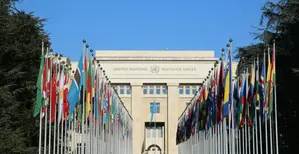
"Nobel Peace Prize highlights the importance of international law"
The 2026 Nobel Peace Prize has been awarded to Navanethem “Navi” Pillay for her efforts to promote peace and international law. According to Associate Professor Nobuo Hayashi, the award comes at a time when international law and its institutions are facing growing pressure.

Social media bots can distort democratic debate
Bots can influence democracy without spreading false information. A new study from the Swedish Defence University develops a framework for understanding how automated accounts can create a misleading impression of which political actors and ideas enjoy public support.

Secrets can push military enthusiasts over the line
How can a strong interest in military secrets become a security threat, even when the people involved have no intention of harming Sweden? David Bergman, an affiliated researcher at the Swedish Defence University, has investigated this question. His research now forms the basis of a new book.
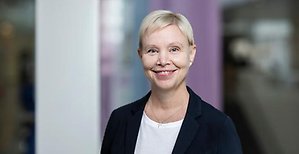
She researches leadership that makes a difference in everyday working life
What makes managers effective, and what increases the risk of destructive leadership? These are some of the questions Susanne Tafvelin explores in her research. Since 1 March 2026, she has been a new professor at the Department of Leadership and Command & Control at the Swedish Defence University.
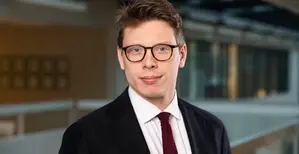
How great powers create and maintain their influence
Great powers use military, political and economic means to strengthen their influence over other countries and limit the presence of rivals. This is shown by Magnus Hilding Lundström in his doctoral thesis in political science at the Swedish Defence University.

Disinformation spreads through more than coordinated campaigns
Strategic disinformation on social media is not spread solely through planned and coordinated efforts. Ordinary users can also contribute to its dissemination without being part of an influence campaign. This is one of the findings of a new doctoral thesis from the Swedish Defence University.

How Sweden's food preparedness can be strengthened
How can Sweden secure access to food during crises and other serious disruptions? A new study from the Swedish Defence University and Lund University shows that emergency stockpiles or increased self-sufficiency are not enough. Strengthening food preparedness also requires public authorities, businesses and other actors to share a common understanding of the challenges, coordinate their objectives, and allocate costs and responsibilities.
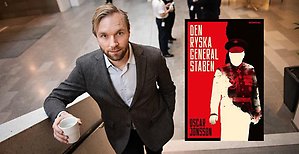
The role of the Russian General Staff in war and politics
How does the institution at the heart of Russia’s military leadership think? In his new book, The Russian General Staff , Oscar Jonsson, a researcher at the Swedish Defence University, examines the role of the General Staff in Russian warfare, military thought and politics.